Our Story
The Place Where Pride Began
From a Greenwich Village bar to a National Monument, this is the story of the Stonewall Inn, the uprising that changed history, and the community that keeps its spirit alive today.
Origins
Before the Uprising
The buildings at 51–53 Christopher Street date back to the 19th century, originally built as stables before being combined and converted for commercial use over the decades that followed.
In 1967, the space reopened as the Stonewall Inn, a bar catering to Greenwich Village's LGBTQ+ community at a time when gathering openly as queer or transgender was itself an act of defiance. Like many gay bars of the era, it operated without a liquor license and was subject to regular police raids.
Despite the risks, the Stonewall Inn became a rare refuge: one of the few places in New York City where drag queens, transgender people, gay men, lesbians, and gender-nonconforming youth could dance together openly.
Est. 1967
51–53 Christopher Street
Greenwich Village, New York City
June 1969
The Stonewall Uprising
In the early hours of June 28, 1969, a police raid on the Stonewall Inn sparked six nights of resistance that would ignite the modern LGBTQ+ rights movement.
"Instead of dispersing, patrons and neighborhood residents fought back, throwing coins, bottles, and cobblestones, and refusing to be moved. What began as a routine raid became a turning point." As commemorated by the National Park Service, Stonewall National Monument
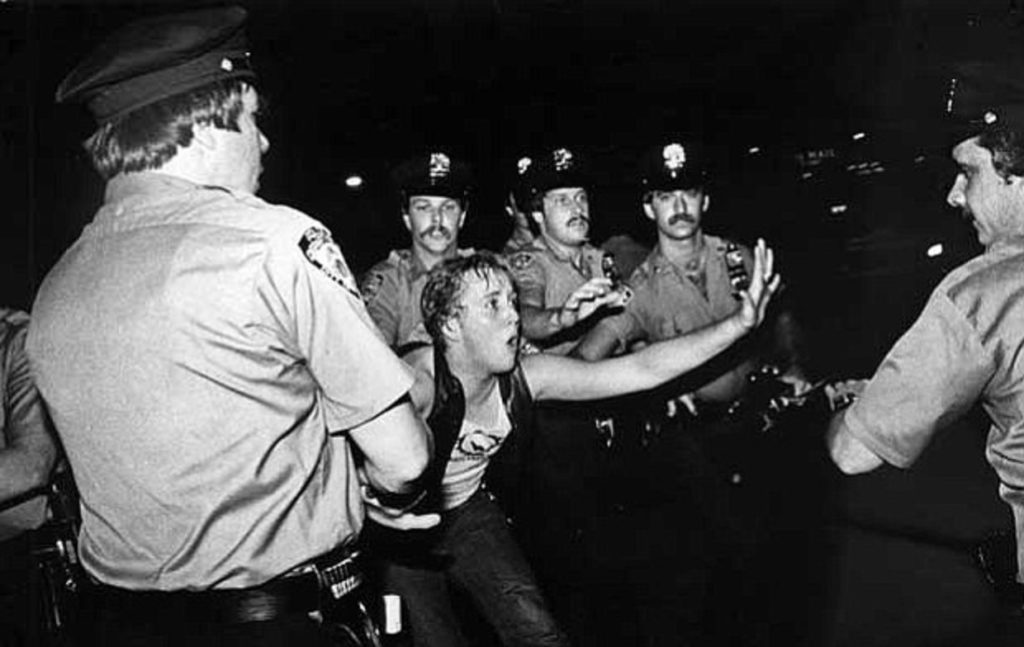
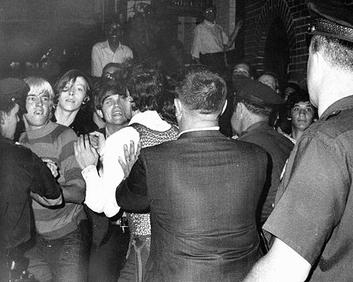
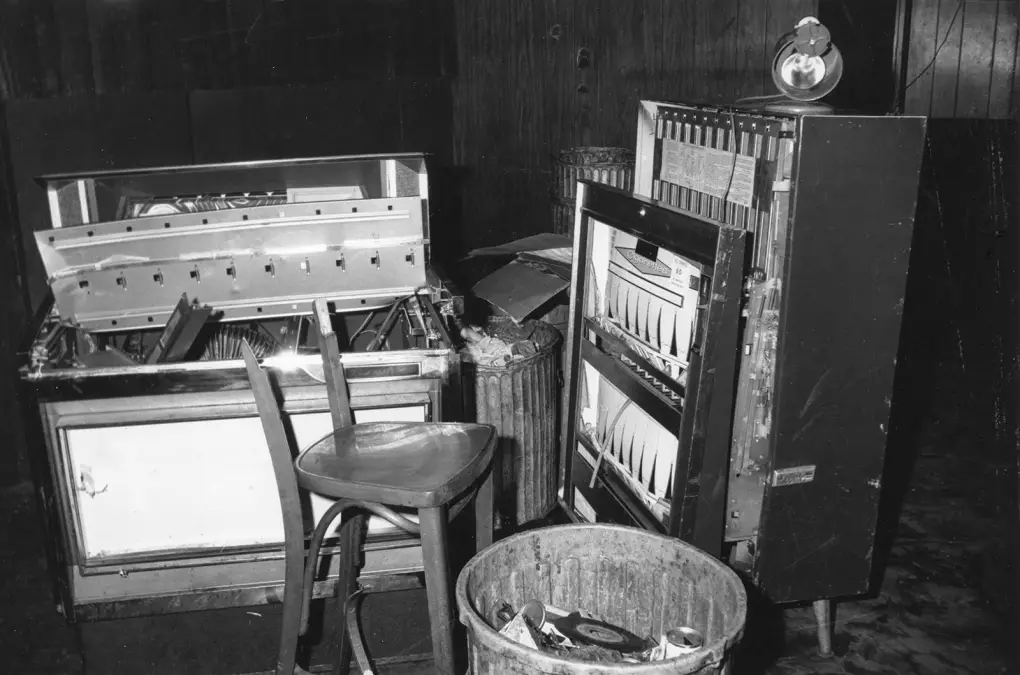
Police Raid the Inn
NYPD officers raid the Stonewall Inn, one of hundreds of raids on gay bars that year. Patrons are lined up and IDs checked as officers prepare to make arrests.
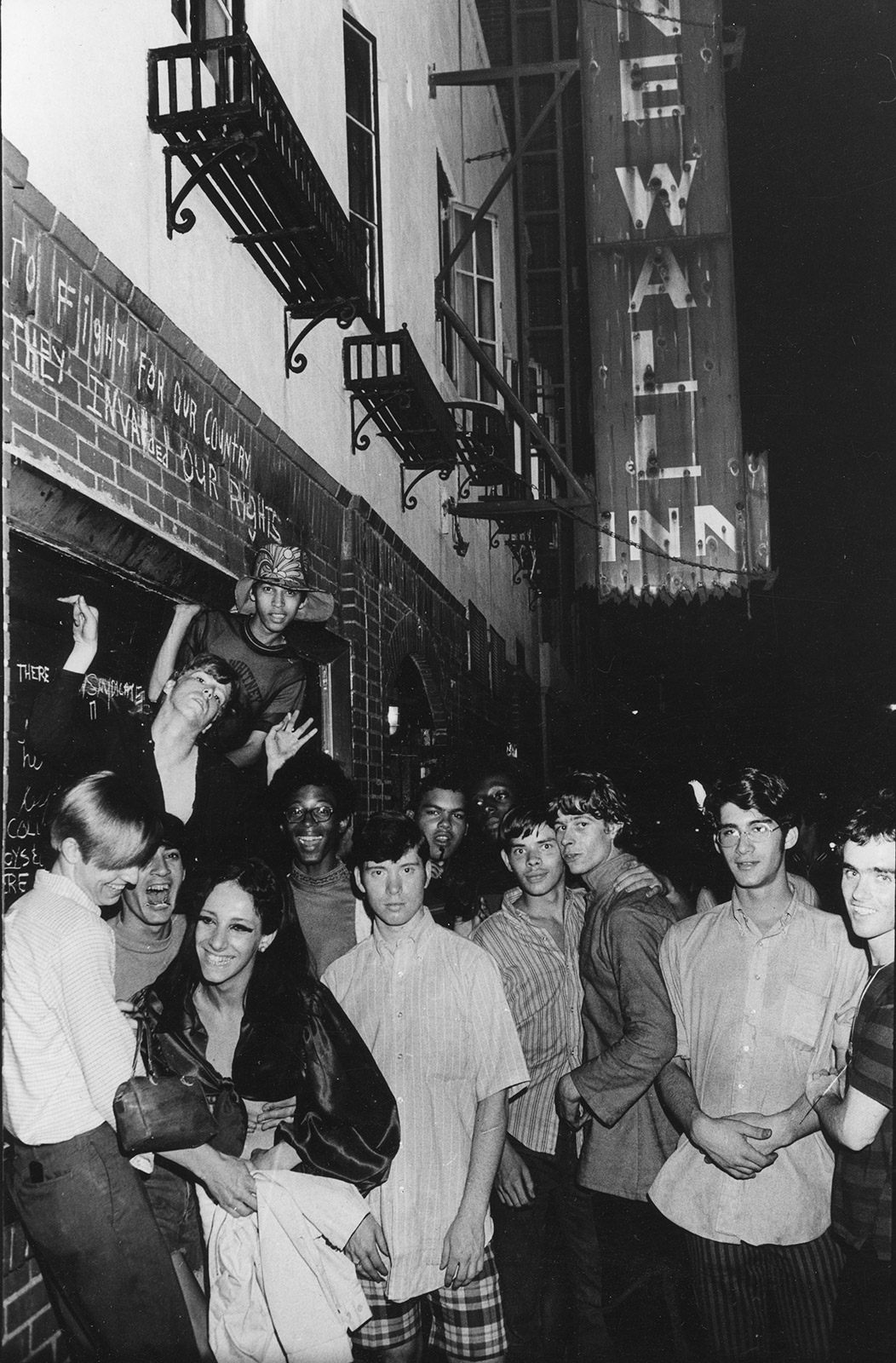
The Crowd Resists
Rather than dispersing, a crowd gathers outside and begins to push back against police. Tensions escalate into the neighborhood's first open act of mass resistance.
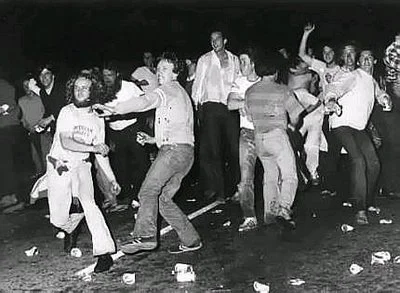
Six Nights of Protest
Demonstrations continue for several nights around Christopher Street, drawing thousands and turning a local raid into a citywide, then national, flashpoint.
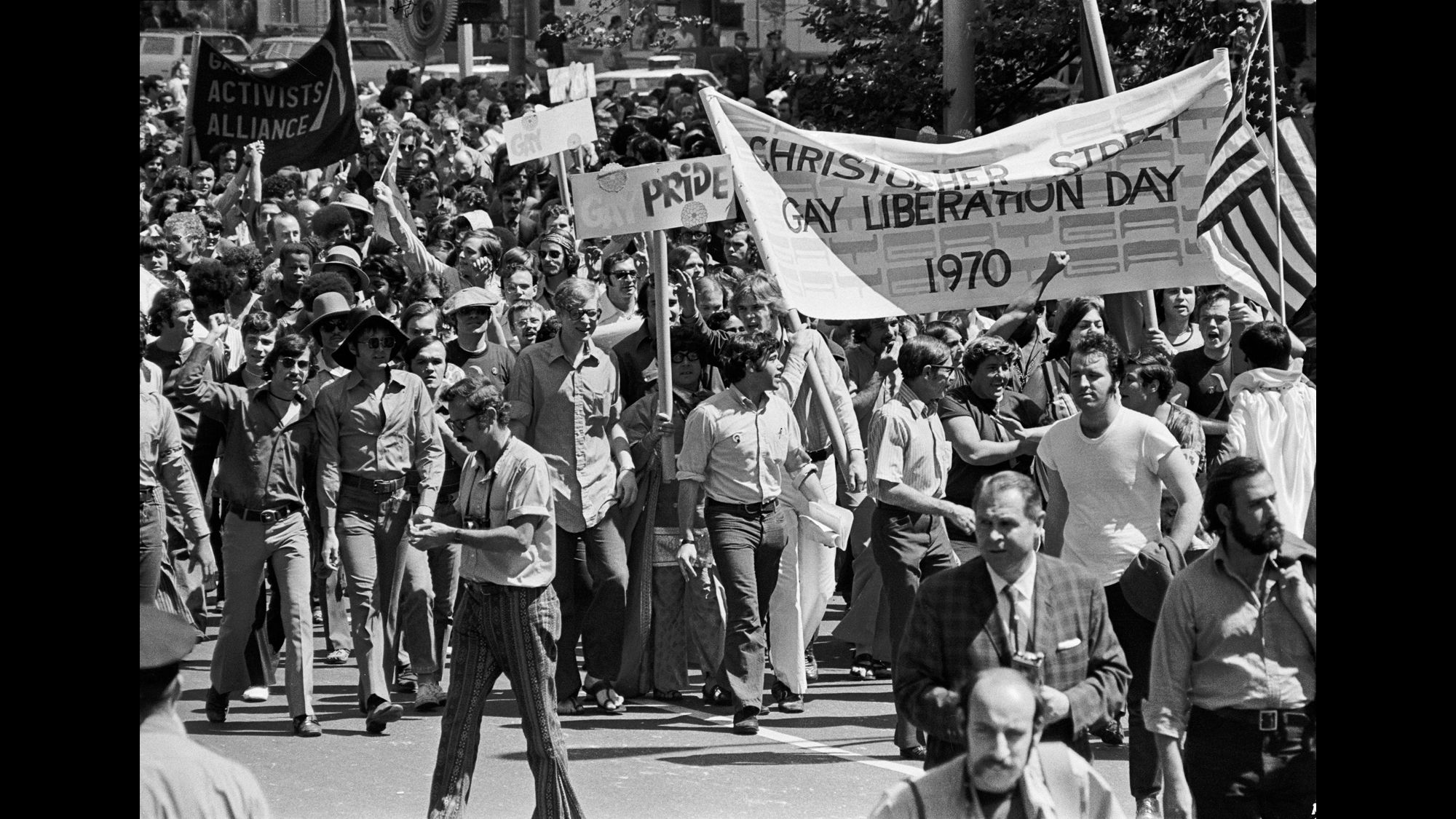
The First Pride March
On the uprising's first anniversary, activists organize the Christopher Street Liberation Day March, widely regarded as the first Pride march in history.
Voices of the Uprising
Important Figures
Marsha P. Johnson
Activist and self-identified drag queen, a central figure of the uprising and co-founder of STAR.
Sylvia Rivera
Trans activist and Stonewall veteran who co-founded STAR and fought for trans inclusion in the movement.
Stormé DeLarverie
Butch lesbian performer and MC, often credited as a catalyst who resisted arrest and rallied the crowd.
Craig Rodwell
Activist and bookstore owner who helped organize the first Christopher Street Liberation Day March in 1970.
The Aftermath
Building the Movement
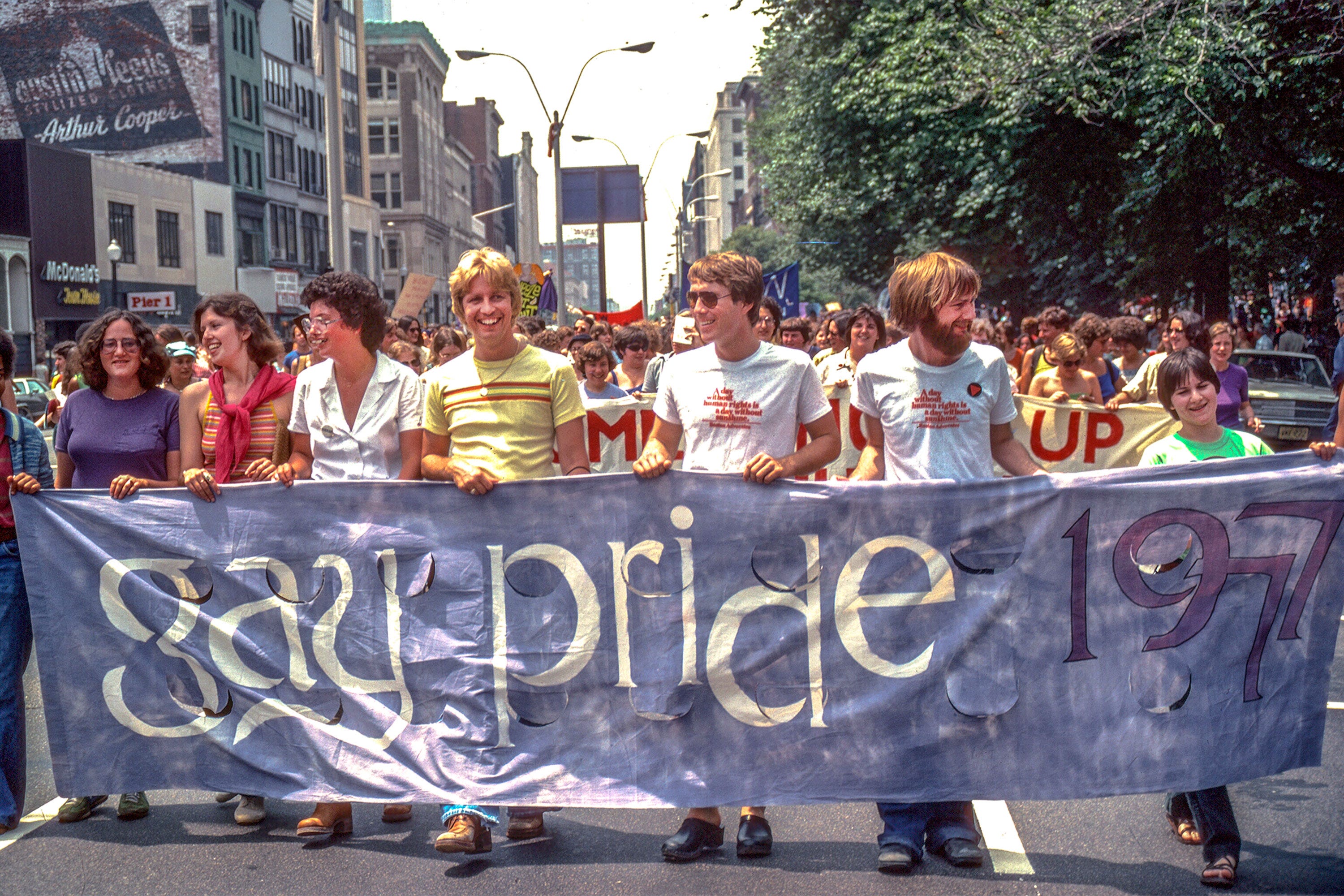
Stonewall didn't just make headlines. It catalyzed an organized movement. Within months, the Gay Liberation Front and Gay Activists Alliance formed in New York, and by 1970, Pride marches spread to Los Angeles, Chicago, and beyond. What started as resistance to a single raid became an annual, global tradition of visibility and pride.
Preservation
National Historic Landmark
Decades of advocacy secured Stonewall's place in the official historical record, ensuring the site, and the story it tells, will be protected for generations to come.
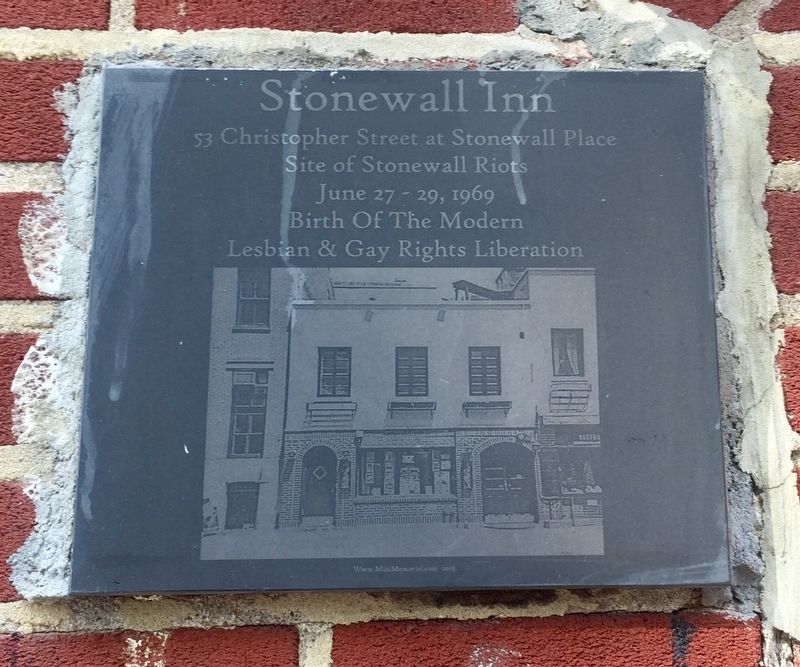
National Register of Historic Places
The Stonewall Inn is listed on the National Register on the 30th anniversary of the uprising.

National Historic Landmark
The National Park Service formally designates the site a National Historic Landmark, one of the first LGBTQ+ sites to receive the honor.
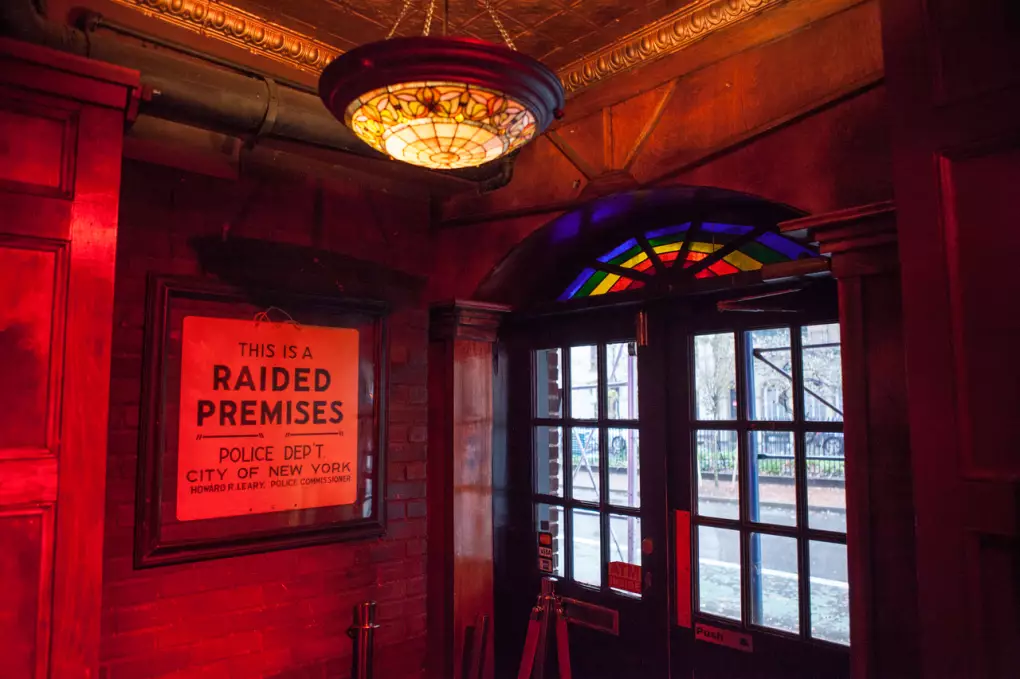
NYC Individual Landmark
The NYC Landmarks Preservation Commission designates the Stonewall Inn an individual New York City landmark.
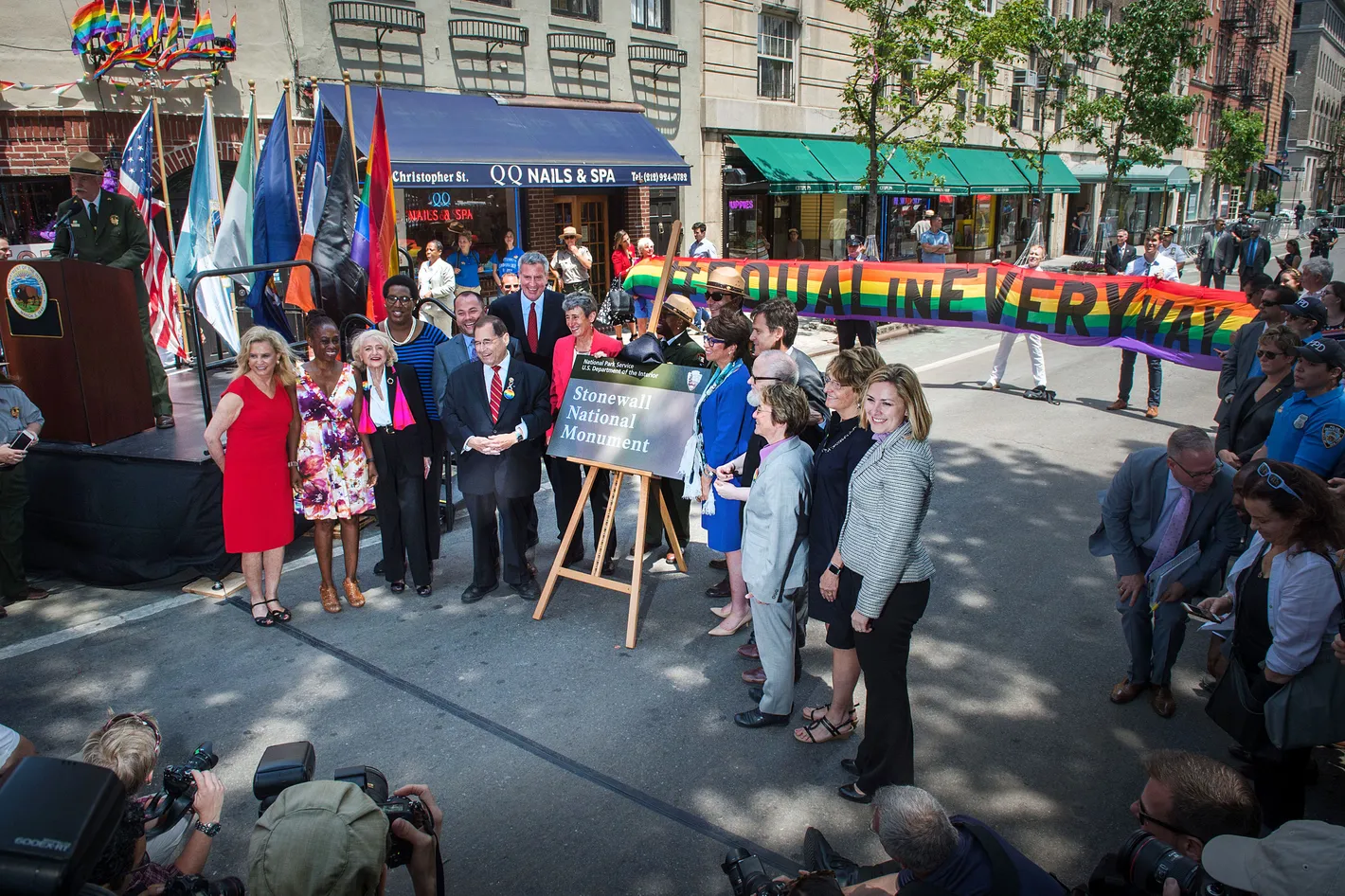
Stonewall National Monument
President Obama designates the surrounding area the Stonewall National Monument, the first U.S. National Monument dedicated to LGBTQ+ history and rights.
The Fight Continues
Protecting the Legacy
Landmark status isn't the end of the story. It's ongoing work. When the site's history or signage has come under threat, community members, activists, and press have shown up on Christopher Street to defend it, just as they did in 1969. The Stonewall Inn continues to stand with organizers working to keep this history visible for future generations.
Living History
Stonewall Today
The Stonewall Inn is still a living, breathing bar, not a museum behind glass. Every night, it carries the legacy forward through nightlife, advocacy, and community.
Nightlife & Entertainment
Drag shows, DJ nights, karaoke, and piano bar sets keep the dance floor alive every night of the week.
Advocacy & Giving Back
The Stonewall Inn Gives Back Initiative (SIGBI) provides grants and safe-space certification to LGBTQ+ organizations nationwide.
Community Partnerships
From the Stonewall Inn IPA with Brooklyn Brewery to local nonprofits, we partner widely to support the community.
Pride Celebrations
Every June, the Inn anchors NYC Pride with block celebrations, anniversary events, and a packed calendar.
A Space Where Everyone Belongs
No labels required, just acceptance, respect, and the freedom to be exactly who you are.